AdAdvertise with us·Reach an audience of professional tech enthusiasts
Favicon of Make website

Best Popular Make Alternatives

A curated collection of the 5 best alternatives to Make.

5 alternatives · Updated

The best alternative to Make is Activepieces. If that doesn't suit you, we've compiled a ranked list of other Make alternatives to help you find a suitable replacement. Other interesting alternatives to Make are: n8n, Node-RED, SocialEcho and Windmill.

Make alternatives are mainly Workflow Automation but may also be Artificial Intelligence or No-Code. Browse these if you want a narrower list of alternatives or looking for a specific functionality of Make.

Make alternatives compared

#ToolPricingOpen source
1 ActivepiecesFree + From $1200/moYes
2 n8nFree + From $24/moNo
3 Node-REDFreeYes
4 SocialEchoFree + From $15/moNo
5 WindmillFree + From $10/moYes

The best Make alternatives, ranked

An open-source, no-code platform for business automation enabling users to automate tasks across various apps, such as marketing, sales, IT, and support.

Free + From $1200/mo
Open-source
Screenshot of Activepieces website

Activepieces is an open-source, no-code platform for automating business workflows in marketing, sales, and operations. It offers self-hosting options, AI-enhanced automation, and seamless integrations, making it an ideal choice for flexible and cost-effective solutions.

Key benefits of Activepieces include:

  • Open-Source and Self-Hosted: Retain full control by hosting workflows on your servers.
  • No-Code Workflow Builder: Simplify automation with a drag-and-drop interface.
  • Extensive Integrations: Connect with tools like Slack, Gmail, and HubSpot.
  • AI-Powered Automation: Enhance workflows with intelligent tools like ChatGPT.
Read the Activepieces review
#2
Favicon of n8n website

n8n

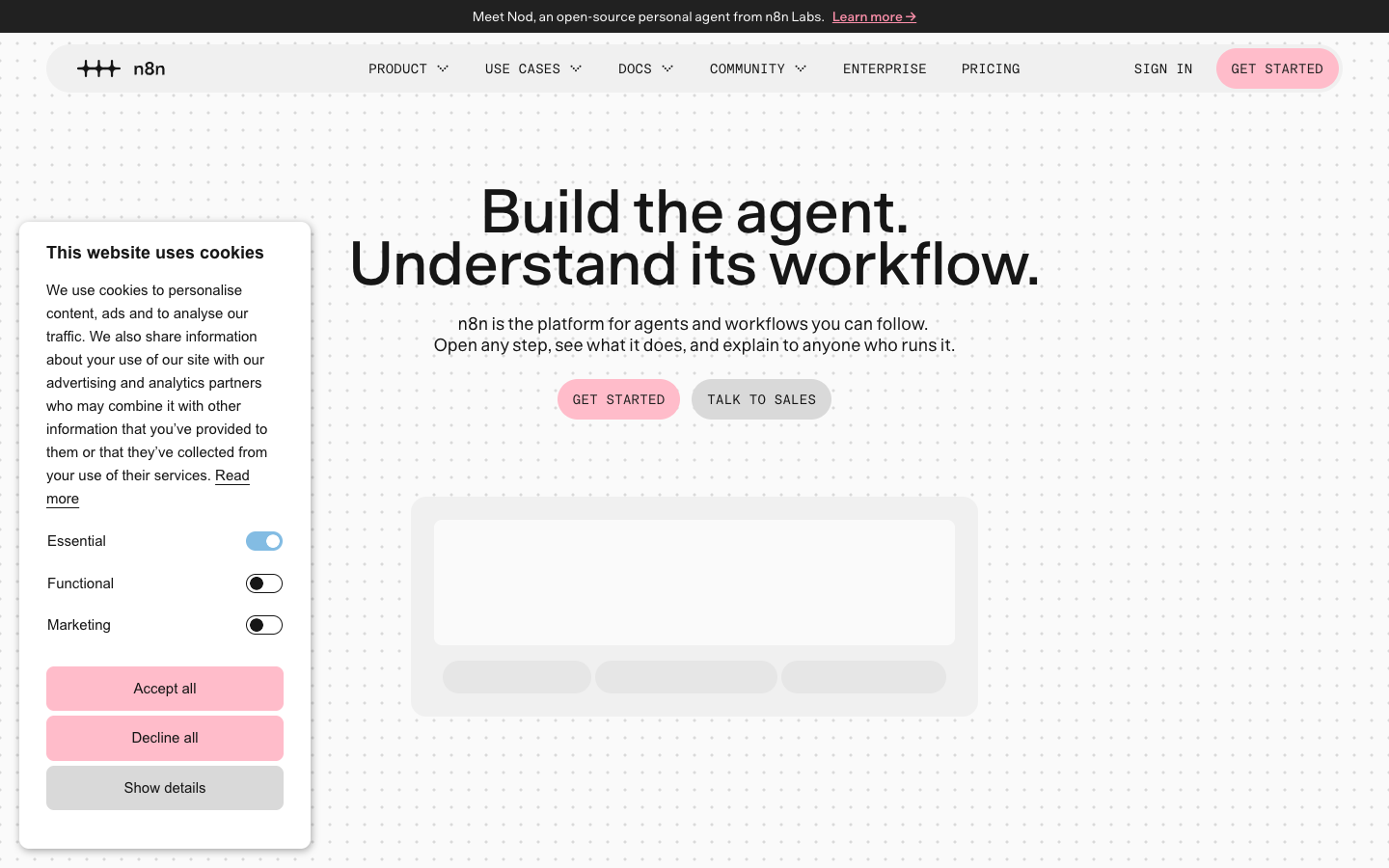
n8n is a workflow automation platform that combines a visual builder with code steps and AI agents. A free Community Edition can be self-hosted from GitHub, or teams can use n8n's hosted plans.

Free + From $24/mo
Self-hosted
Screenshot of n8n website

n8n is a workflow automation platform for technical teams that want the speed of a visual, no-code builder with the option to drop into JavaScript or Python when needed. It connects to 500+ native integrations, any API via HTTP, and agents or coding assistants via MCP, and it supports building AI agents with human approval steps.

Key benefits of n8n include:

  • Self-hosting: A standard Community Edition is available on GitHub and can be deployed on-prem or with Docker to keep data in your own environment.
  • Execution-based pricing: Hosted plans charge per full workflow run regardless of the number of steps, with unlimited users and workflows.
  • Code when you need it: Workflows can include JS/Python code steps, custom HTTP or GraphQL requests, webhooks and cURL imports.
  • AI agents with guardrails: Connect models, use structured inputs and outputs, and add human-in-the-loop approvals for tool calls.
  • Debugging tools: Re-run only the step that broke, replay past runs or mock data, and review version history.

For people leaving Make or Zapier, the main draws are the free self-hosted edition and pricing that does not charge per step or per user, which suits long, multi-step workflows. The trade-offs: n8n is not listed as open source (the source is available but under its own license), self-hosting means running and maintaining the server yourself, and features such as SSO, Git version control and multiple environments sit in Business or Enterprise tiers. The hosted Starter plan is billed in euros and includes 2.5K executions per month.

Read the n8n review

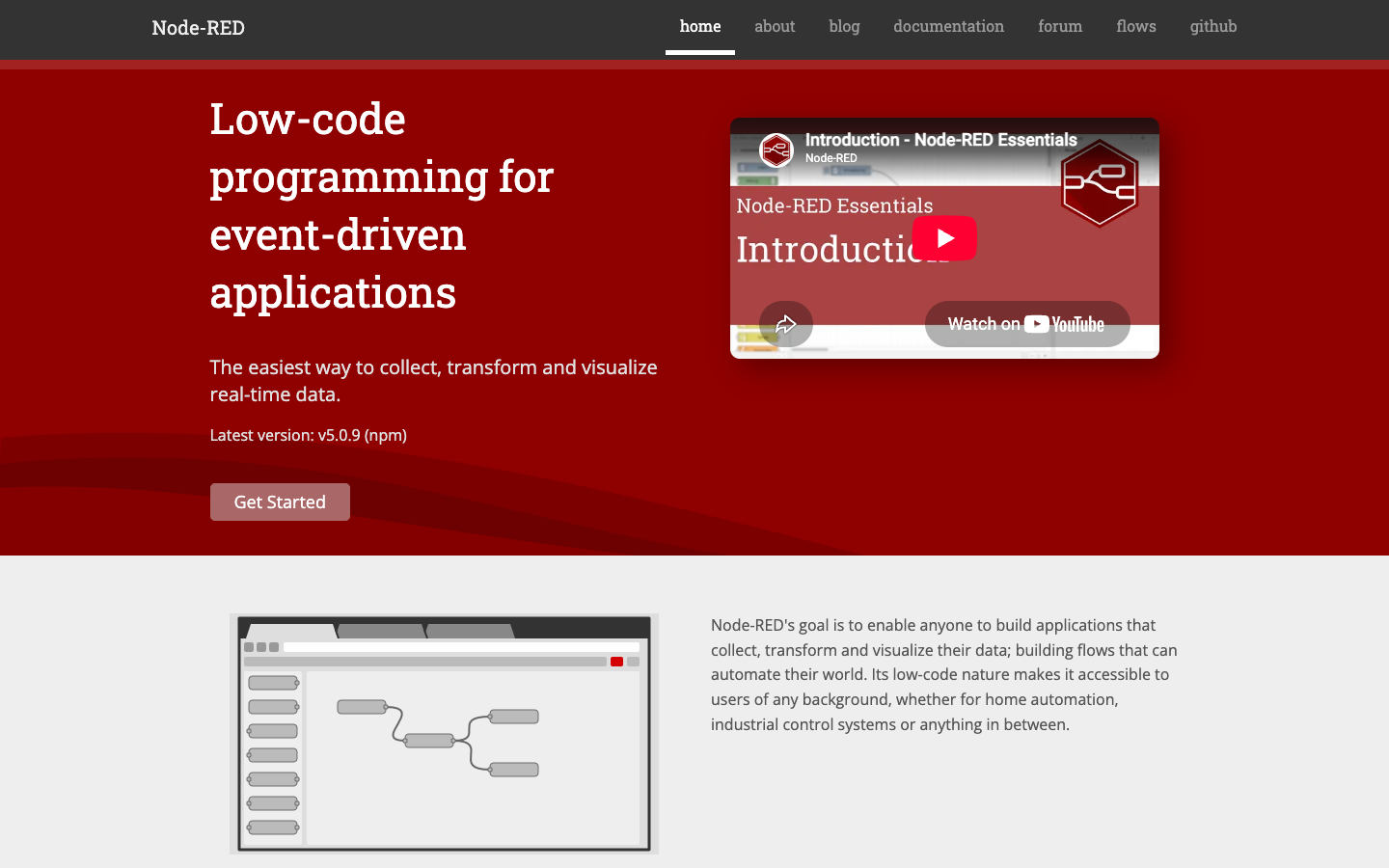
Node-RED is an open-source, low-code tool built on Node.js for wiring together devices, APIs and services into flows that collect, transform and visualize real-time data. It runs on a Raspberry Pi, in Docker or in the cloud.

Free
Open-source
Self-hosted
Screenshot of Node-RED website

Node-RED is an open-source, low-code programming tool for building event-driven applications. You connect nodes in a browser-based editor to create flows that collect, transform and visualize data. It is used for everything from home automation to industrial control systems, and is part of the OpenJS Foundation.

Key benefits of Node-RED include:

  • Large library of nodes: The community has built over 5,000 nodes and flows you can reuse to get started quickly.
  • Runs on low-cost hardware: Built on Node.js's event-driven, non-blocking model, it works well at the edge on devices like the Raspberry Pi and BeagleBone Black.
  • Flexible deployment: Install it locally, run it in Docker, on Android, or in the cloud on AWS, Microsoft Azure or FlowFuse.
  • Hardware integration: Documentation covers interacting with Arduino and other devices, not just web services.
  • Active community: Support is available through a forum, Slack team, Stack Overflow and GitHub.

If you are leaving Make or Zapier, Node-RED lets you run automations on your own hardware with no per-task fees and full control over your data. It also reaches places those services cannot, such as local devices and sensors. The trade-off is that you host and maintain it yourself, and it does not come with the same catalog of polished, pre-authenticated SaaS connectors; some integrations will mean configuring HTTP requests or writing a bit of JavaScript in function nodes.

Read the Node-RED review

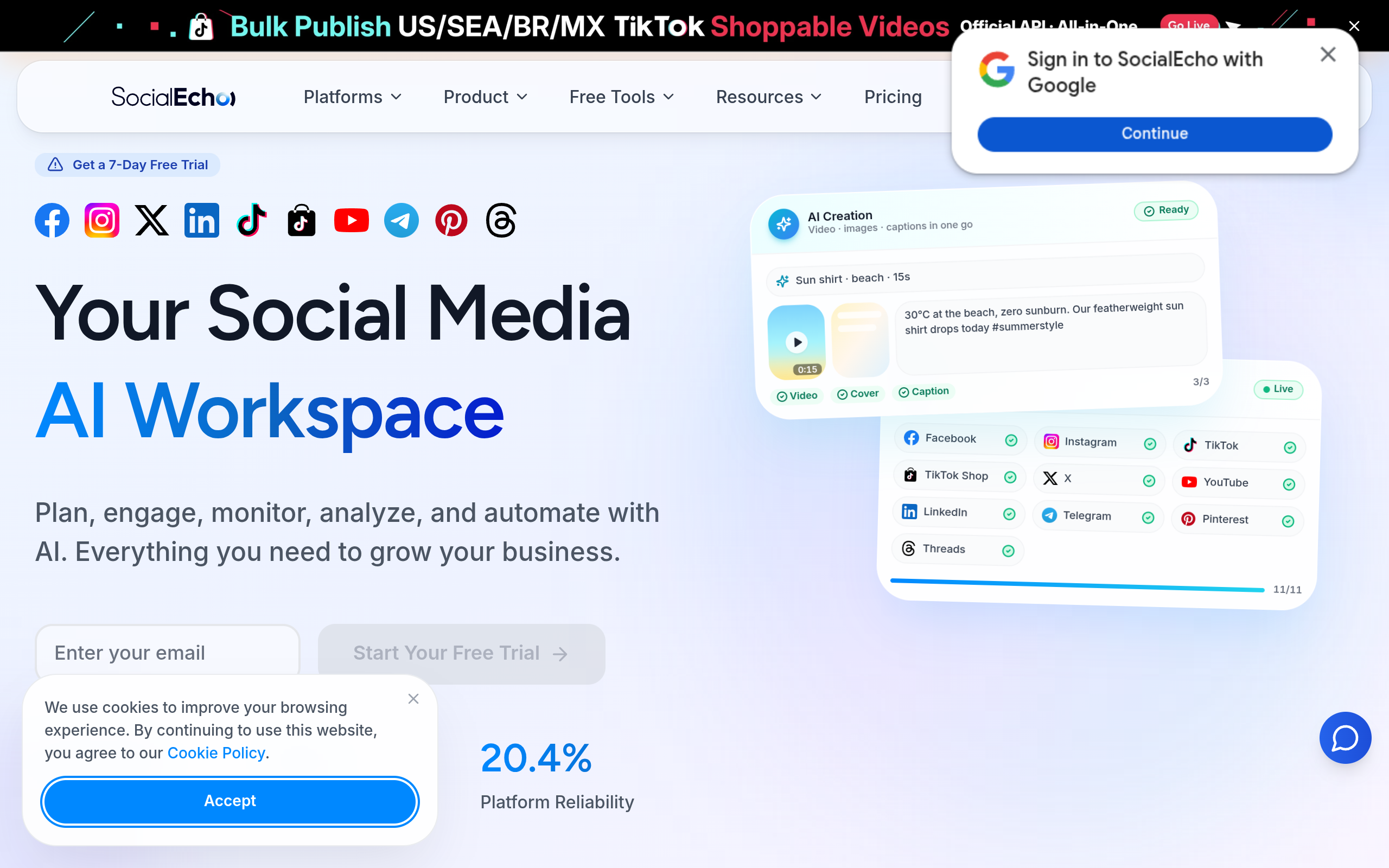
SocialEcho is a comprehensive social media management platform that empowers teams to publish, engage, listen, and analyze across all major social networks. Built-in AI automation streamlines workflows and amplifies social strategy.

Free + From $15/mo
Screenshot of SocialEcho website

SocialEcho is designed for teams that want to master their social media presence without juggling multiple tools. It consolidates publishing, community engagement, social listening, and analytics into a single intuitive platform.

Key Features

Unified Publishing & Scheduling: Plan and publish content across Facebook, Instagram, Twitter, LinkedIn, and more from one dashboard. Schedule posts in advance and maintain consistent brand presence.

AI-Powered Automation: Leverage artificial intelligence to optimize posting times, generate content ideas, and automate routine engagement tasks—freeing your team to focus on strategy.

Social Listening & Monitoring: Track brand mentions, monitor competitor activity, and discover conversations relevant to your industry in real-time. Stay ahead of trends and respond to opportunities instantly.

Comprehensive Analytics: Measure what matters with detailed performance metrics across all platforms. Understand audience behavior, engagement patterns, and ROI from social efforts.

Community Engagement Tools: Respond to comments, messages, and mentions efficiently. Build stronger relationships with your audience through organized inbox management.

Who Should Use It

SocialEcho is perfect for marketing teams, agencies, and growing businesses that manage multiple social accounts and need data-driven insights to improve their strategy. It's ideal if you want to reduce tool sprawl and consolidate your social media operations.

Why Choose SocialEcho

Instead of switching between separate tools for scheduling, analytics, and listening, SocialEcho brings everything together. The integrated AI automation saves hours each week, while powerful analytics help justify social media investments to leadership.

Read the SocialEcho review

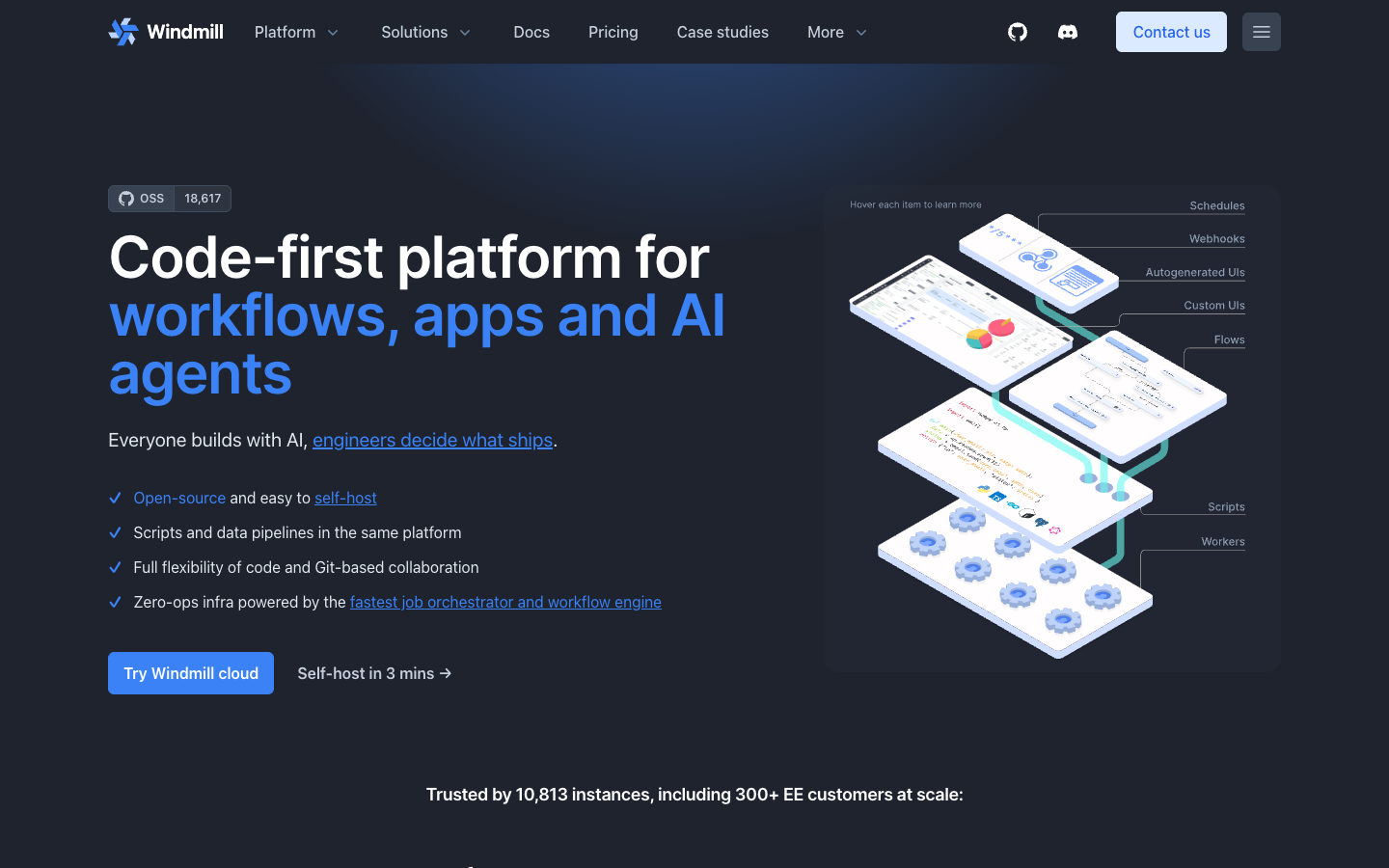
Windmill turns scripts in 20+ languages into API endpoints, forms, workflows and internal apps, and runs them on a self-hostable job orchestrator. It is open source, with a hosted cloud option.

Free + From $10/mo
Open-source
Self-hosted
Screenshot of Windmill website

Windmill is an open-source, code-first platform for building and running internal software: scripts, workflows, data pipelines, AI agents and apps. It is aimed at engineering teams who want automation and internal tools defined in code, versioned in Git, and run on infrastructure they control, either self-hosted or on Windmill cloud.

Key benefits of Windmill include:

  • Scripts in 20+ languages: A function in TypeScript, Python, Go, Rust, Bash, SQL and more becomes an API endpoint and a form, with imports resolved and versions locked at each deploy.
  • Workflows as DAGs or code: Draw flows in the editor or write them in Python or TypeScript, with retries, approvals and parallel branches built in.
  • Apps backed by your code: Build React or Svelte frontends whose backend is your existing scripts and workflows, then share or embed them.
  • AI agents and data pipelines: Agents run on 12 providers or your own OpenAI-compatible model using scripts and MCP servers as tools; DuckDB, Python and dbt steps run on your own workers.
  • Self-hosted infrastructure: Worker groups, autoscaling and instance settings live in a YAML file applied by the CLI or a Kubernetes operator, in your cloud or on-prem.

For teams leaving Zapier or Make, Windmill replaces visual connectors with real code and Git-based collaboration, which gives more control but expects developers to write and maintain scripts rather than click together prebuilt integrations. For Retool users, it covers internal apps plus the backend logic behind them in one place. The trade-off is that you take on setup and operations if you self-host, and some features are tied to the enterprise edition.

Read the Windmill review

Frequently asked questions

What is the best alternative to Make?

The top-rated alternative to Make is Activepieces. An open-source, no-code platform for business automation enabling users to automate tasks across various apps, such as marketing, sales, IT, and support. Other popular options include n8n, Node-RED, SocialEcho. Compare features and pricing in the table above.

How many alternatives to Make are there?

There are 5 alternatives to Make listed on YouMightNotNeed, including Activepieces, n8n, Node-RED. Each listing is hand-reviewed and includes a description, screenshot, pricing, and open-source status.

Are there free alternatives to Make?

Yes, there is 1 free alternative to Make: Node-RED.

Are there open-source alternatives to Make?

Yes, there are 3 open-source alternatives to Make: Activepieces, Node-RED, Windmill. Open-source tools can usually be self-hosted, so you keep full control of your data.

Share:

Discover the best alternatives to

View all

Put your SaaS product in front of active buyers

Reach developers, tech leaders and founders looking for open source tools to adopt.

Submit your product